The Legend
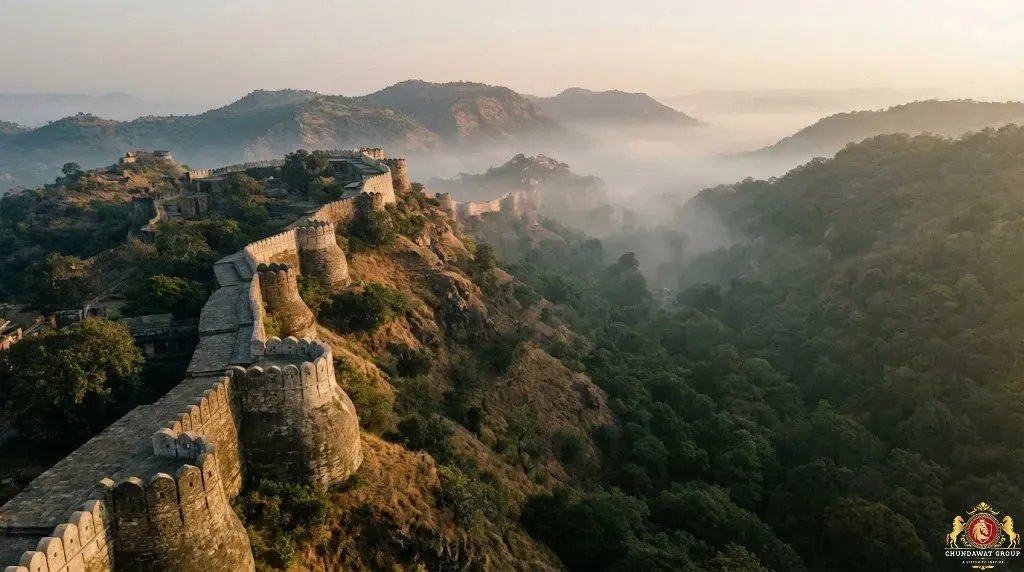
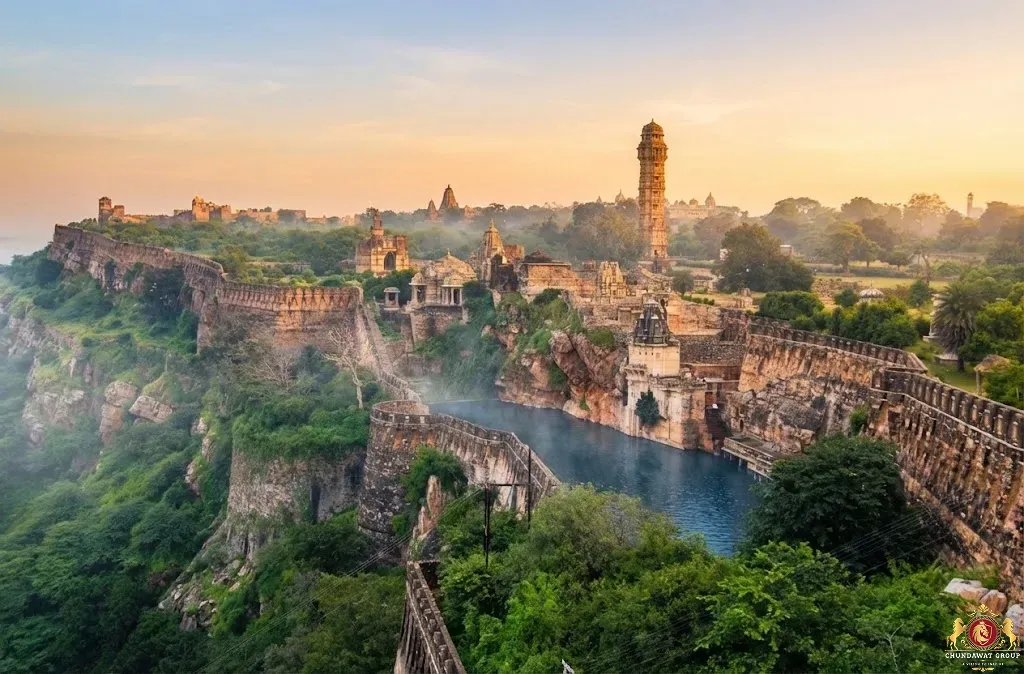
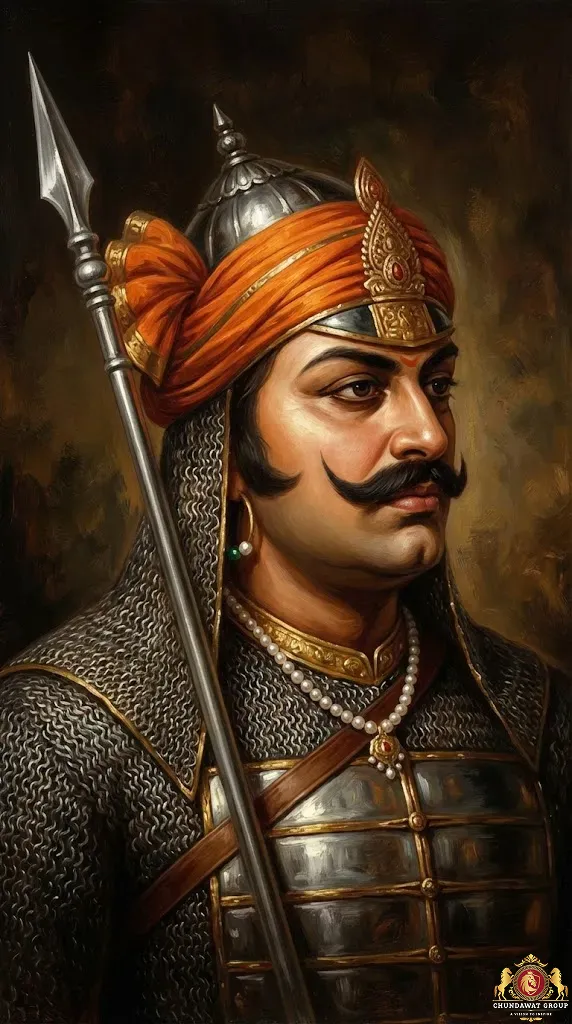
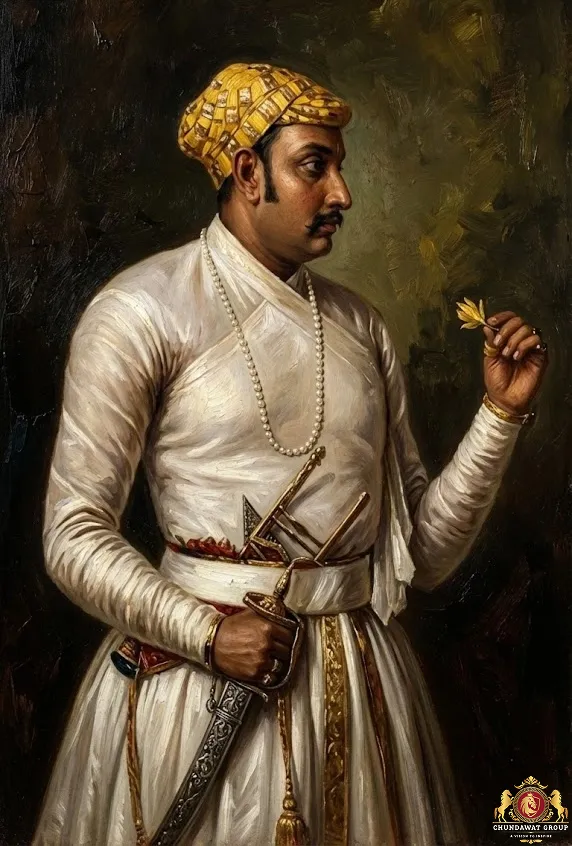
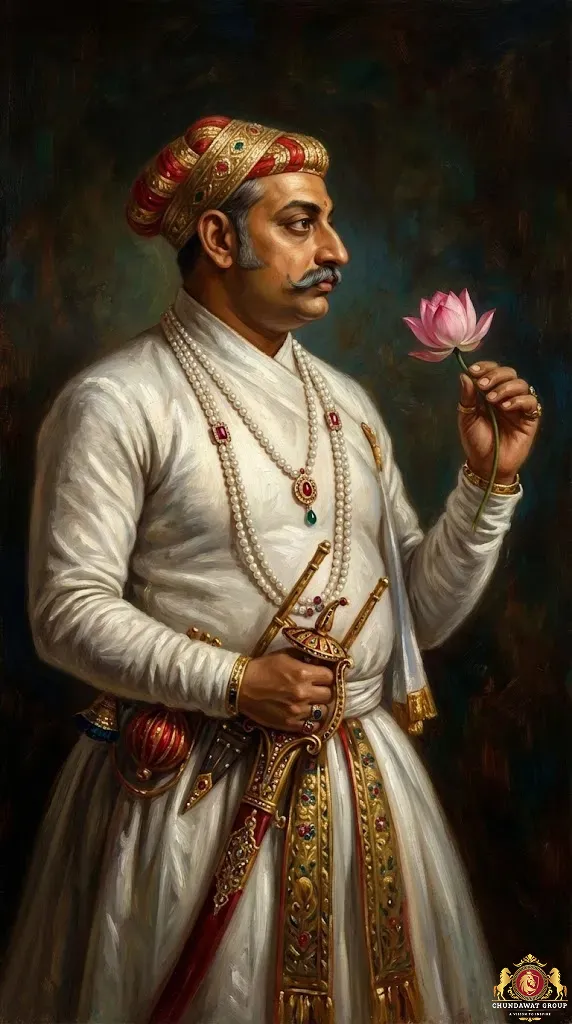
Maharaja Raj Singh I was one of the most successful rulers of Mewar who reigned from 1652 to 1680. He is celebrated for his military campaigns against the Mughal Empire under Aurangzeb, successfully reclaiming lost territories and restoring Mewar's independence. His reign marked a renaissance of Rajput power and pride, as he rebuilt temples destroyed by invaders and strengthened the fortifications of Mewar.
Early Life & Origins
Born as the son of Maharana Jagat Singh I, Raj Singh grew up during a period of relative peace with the Mughals. However, he witnessed the gradual erosion of Rajput autonomy and the increasing religious intolerance under Aurangzeb. This shaped his resolve to restore Mewar's independence and protect Hindu dharma.
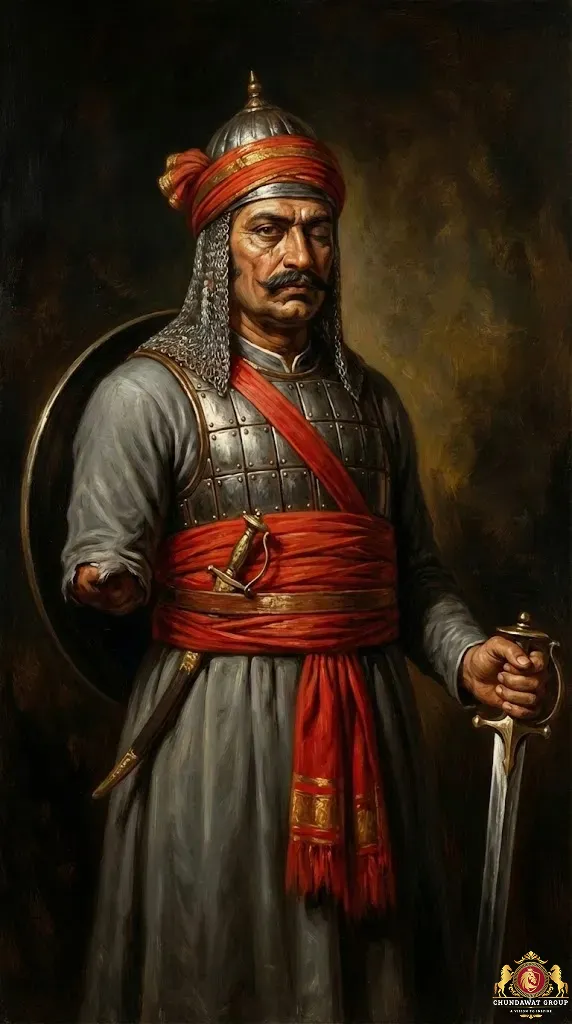
The sword of Mewar shall never bow to tyranny, for we are the children of Pratap.
A temple destroyed is a civilization wounded, but a temple rebuilt is a nation reborn.
Battles & Conquests
Battle of Dharmat
1658Raj Singh supported Dara Shikoh against Aurangzeb in the Mughal war of succession. Though Dara ultimately lost, Raj Singh's forces fought valiantly and established his military prowess.
Siege of Chittor
1660When Aurangzeb sent forces to capture Chittor, Raj Singh successfully defended the fort and forced the Mughals to retreat, demonstrating Mewar's renewed strength.
Campaign for Udaipur
1679Successfully repelled multiple Mughal attempts to capture Udaipur, maintaining Mewar's independence despite being surrounded by Mughal-controlled territories.
Eternal Legacy
Maharaja Raj Singh I is remembered as one of the greatest rulers of Mewar after Maharana Pratap. He successfully challenged Mughal supremacy at its peak, rebuilt numerous temples including the famous Rajsamand Lake temple complex, and restored Mewar's territorial integrity. His reign inspired other Rajput states to resist Mughal domination and marked the beginning of the decline of Mughal power in Rajputana.
📜 Did You Know?
He constructed the magnificent Rajsamand Lake, one of the largest artificial lakes in India, with inscriptions detailing Mewar's history.
He gave shelter to Shivaji's son Sambhaji when he fled from Aurangzeb, defying the Mughal emperor.
He rebuilt 172 temples that had been destroyed during Mughal invasions.
His court was a center of art and literature, patronizing numerous scholars and artists.