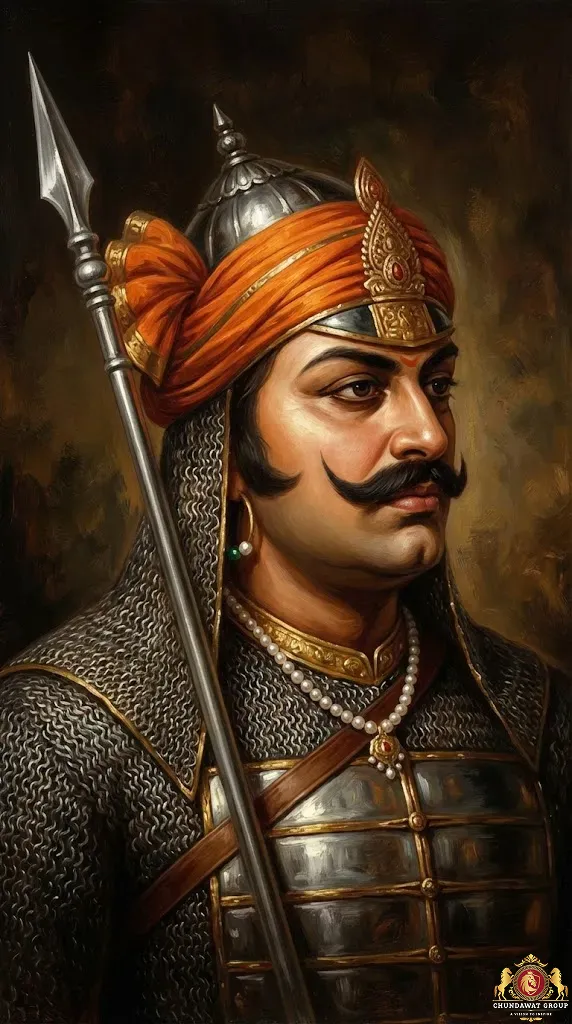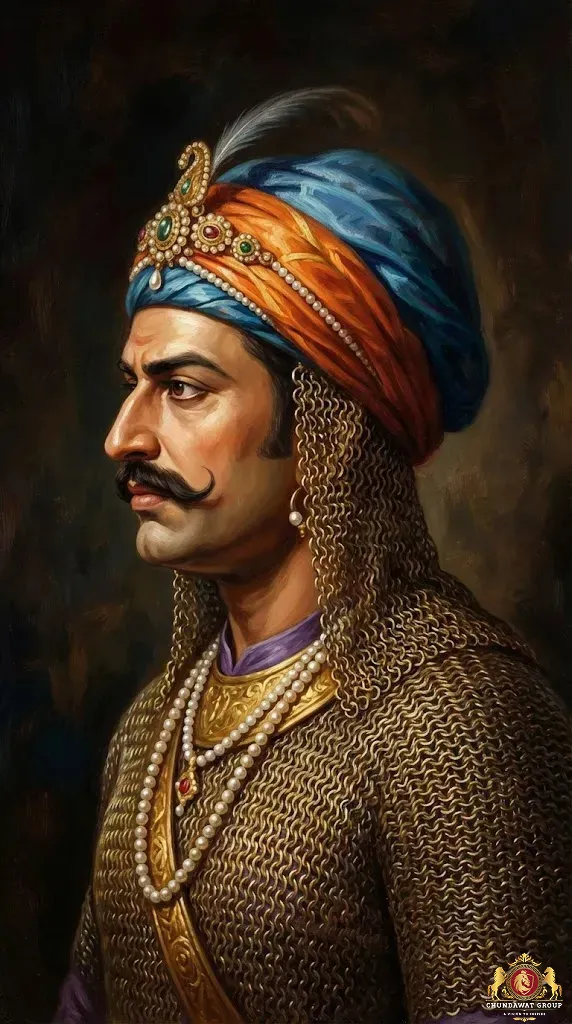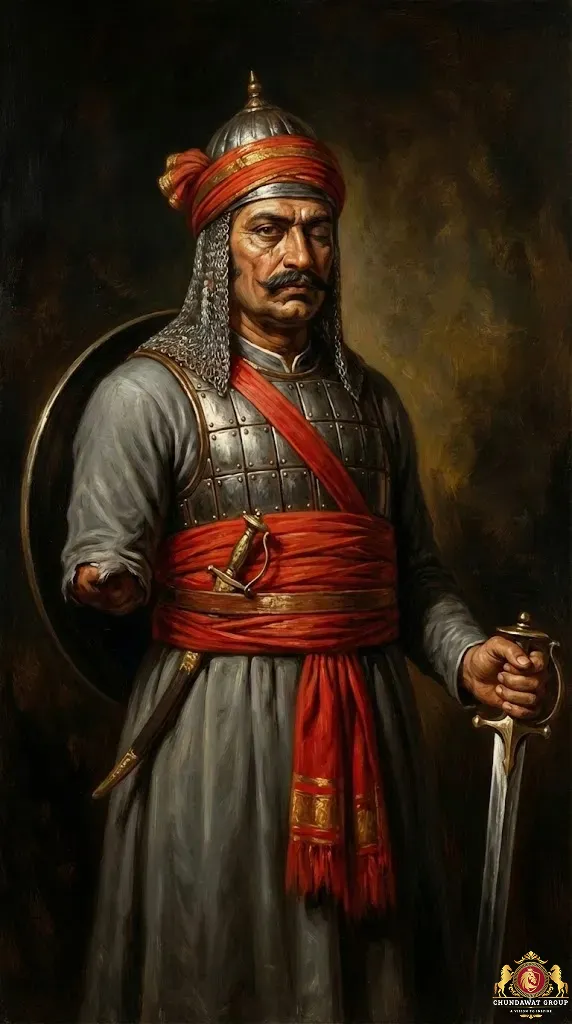
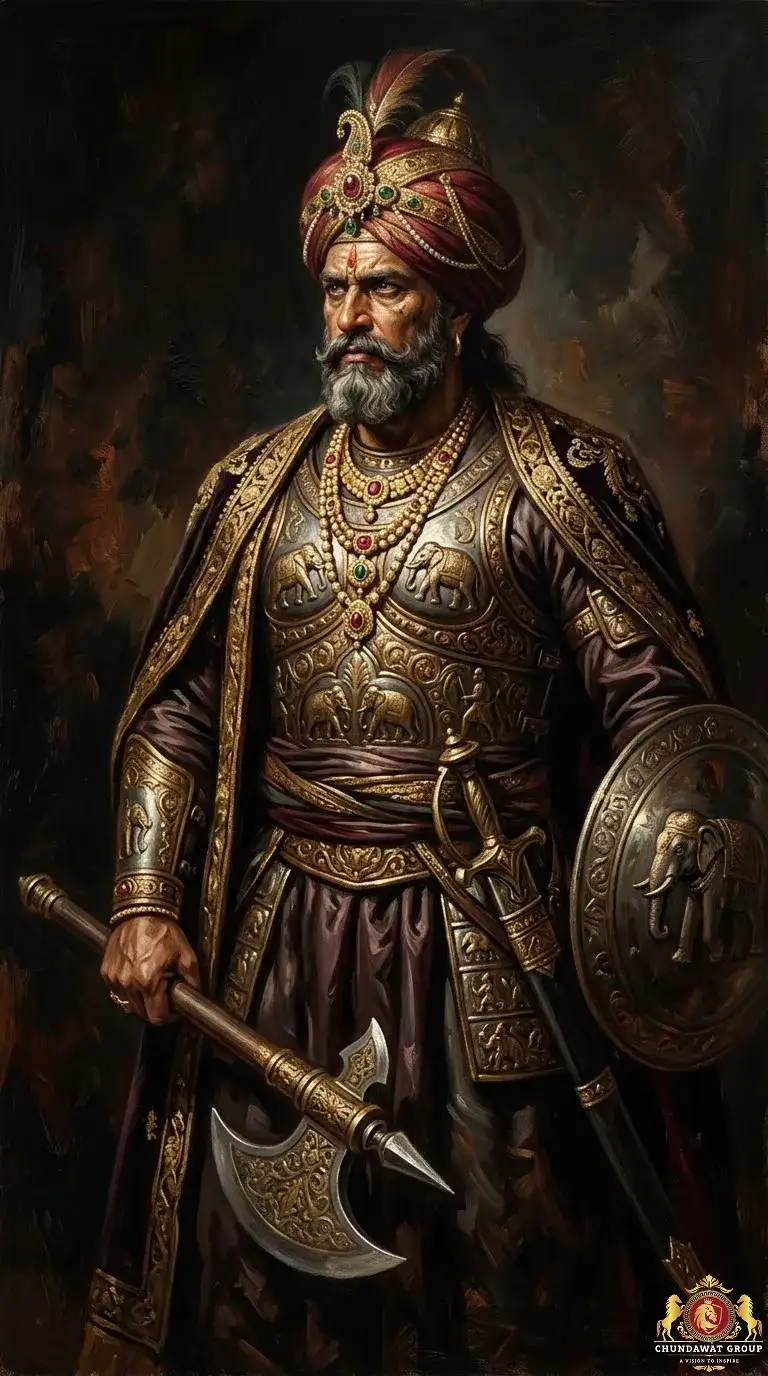
Who Was Raja Porus?
Raja Porus was an ancient Indian ruler who became famous for resisting Alexander the Great during the Macedonian invasion of northwestern India in 326 BCE. He ruled the Paurava kingdom, generally identified with territory between the Hydaspes River (modern Jhelum) and the Acesines River (modern Chenab) in the Punjab region.
Porus is best remembered for the Battle of Hydaspes, one of the most important battles of Alexander's Indian campaign. Although Alexander defeated the Paurava army, Porus's conduct in battle and his refusal to submit before fighting earned the respect of his conqueror. Ancient accounts describe Alexander restoring Porus to power and enlarging his kingdom.
The story of Porus has remained important in Indian history as a narrative of resistance against foreign invasion, military courage and the limits of imperial expansion.
Where Did Porus Rule?
Porus ruled the Paurava kingdom in the Punjab region of the Indian subcontinent, in territory between the Hydaspes (Jhelum) and Acesines (Chenab) rivers. His kingdom was one of several regional powers that Alexander encountered after crossing the Indus.
The Punjab was not politically unified under a single emperor at the time—it contained multiple kingdoms, republics and chieftaincies. Porus's most important regional rival was the ruler of Taxila, known as Taxiles or Omphis, who chose to cooperate with Alexander partly because of his rivalry with Porus.
The Paurava Kingdom
The Paurava kingdom was one of the ancient kingdoms of the Punjab region. The name "Paurava" connects the ruling family to the Puru dynasty mentioned in ancient Indian texts, though the exact historical relationship remains debated.
By the time of Alexander's invasion, the Paurava kingdom was a significant regional power. It possessed a substantial military, including war elephants, and controlled important territory in the fertile Punjab plains. However, it was not the largest or most powerful kingdom in northern India—the Nanda Empire, which controlled the Gangetic plain to the east, was substantially larger.
The Battle of Hydaspes (326 BCE)
The Battle of Hydaspes, fought in 326 BCE near the Jhelum River, was one of Alexander's most difficult and important battles during his Indian campaign.
Unlike some rulers who negotiated or submitted to Alexander, Porus chose to resist. He assembled a large army including infantry, cavalry, war elephants and chariots, and positioned it on the eastern side of the Hydaspes to prevent Alexander from crossing the river.
Alexander adopted a deception strategy—for days, Macedonian troops moved along the river and made apparent preparations to cross at different points. Eventually, Alexander took a force upstream and crossed the river during the night, taking advantage of darkness, weather and terrain.
Porus vs Alexander: How Did the Battle Unfold?
The initial engagement after Alexander's river crossing involved Porus's son, who was sent with a force to intercept the Macedonians but was defeated and killed.
Porus then brought his main army to face Alexander. The Indian army was deployed with elephants among or in front of the infantry line, cavalry on the flanks and chariots positioned to support the formation. The elephants were intended to frighten the Macedonian horses and to act as mobile fortresses.
Alexander's tactical approach focused on attacking the Indian cavalry first, using his companion cavalry and additional units to create pressure from multiple directions. The resulting battle was extremely hard-fought, with the Macedonians eventually disrupting the Indian formation.
Porus's Elephant Army
One of the most significant features of the Battle of Hydaspes was the role of Porus's war elephants. Ancient sources describe approximately 200 elephants in the Indian army.
The elephants were intended to frighten enemy horses, disrupt infantry formations and break cavalry attacks. They were positioned among or in front of the infantry line to create a formidable defensive barrier.
However, the elephants also created problems. Wounded or panicked elephants could become uncontrollable and harm their own troops. The Macedonians eventually targeted the elephants' riders and handlers, causing many animals to run amok.
What Happened After the Battle?
After the battle, Porus was wounded and captured. The most famous episode associated with the aftermath is the encounter between Porus and Alexander. When brought before the Macedonian conqueror, Porus reportedly requested to be treated "as a king" — and Alexander granted his request.
Alexander restored Porus to his kingdom and even expanded his territory. This was not simply a gesture of respect; it was also a strategic decision. Alexander needed reliable local rulers to administer territories he could not garrison permanently.
Alexander's Respect for Porus
Porus's treatment by Alexander after the battle is one of the most discussed aspects of the encounter. Several ancient sources describe Alexander being impressed by Porus's bravery. The restoration of Porus to power and the expansion of his territory suggest that Alexander recognised Porus as both a formidable opponent and a potentially valuable political ally.
Alexander also founded two cities in the region after the battle: Nicaea, commemorating his victory, and Bucephala, named after his horse Bucephalus, which died shortly after the battle.
What Happened to Porus After Alexander Left?
After Alexander's departure from India, Porus continued to rule his expanded kingdom. However, the political situation in the region remained unstable. Alexander left various commanders and governors in charge of his Indian territories, creating a complex patchwork of authority.
Porus survived for several years after the Battle of Hydaspes, but was eventually killed around 318 BCE. He was assassinated by Eudamus, a Macedonian commander who had been left in command of forces in the region. The assassination of Porus removed one of the most powerful rulers from the post-Alexander political landscape of the Punjab.
Porus's Family
Some information about Porus's family survives in the ancient sources, though details are limited. His son fought at the Battle of Hydaspes and was killed during the initial engagement when Porus sent a force to prevent Alexander's river crossing.
Beyond this, the ancient Greek and Roman sources provide limited information about Porus's family. The focus of these accounts is primarily on the battle and the encounter between Porus and Alexander, rather than on the Paurava dynasty's broader family history.
Historical Sources and Legend
Almost everything we know about Porus comes from Greek and Roman sources rather than Indian ones. The most important are: Arrian (Anabasis of Alexander), which draws on the accounts of Ptolemy and Aristobulus; Plutarch (Life of Alexander); Quintus Curtius Rufus (History of Alexander the Great); and Diodorus Siculus (Library of History).
These sources provide detailed accounts of the Battle of Hydaspes, but they write from a Macedonian or Greek perspective. Indian sources from this period do not provide a clear, contemporary account of Porus or the battle. This means the historical record is largely one-sided, reflecting how Alexander's court historians and later Greek/Roman writers chose to present the encounter.
Porus's Legacy
The legacy of Raja Porus rests primarily on his resistance to Alexander and on the unusual political outcome of his defeat. Porus did not defeat Alexander—the Battle of Hydaspes was a Macedonian victory. But Porus also did not disappear from history after losing. Instead, his resistance was followed by recognition from Alexander and the restoration and enlargement of his kingdom.
This combination—defeat on the battlefield followed by political survival—made Porus an enduring figure in the history of ancient India. His story represents resistance against foreign invasion, courage in defeat, the military importance of war elephants, and the complexity of Alexander's Indian campaign.
Porus is also important because his story challenges a simplistic interpretation of Alexander's Indian campaign—Alexander won major battles, but his own soldiers eventually refused to march farther east at the Hyphasis (Beas River).
Treat me as a king.
Battles & Conquests
Battle of the Hydaspes
326 BCEFought near the Jhelum River, this was one of Alexander's hardest-fought victories. Porus deployed a large army with approximately 200 war elephants. Alexander used a deception strategy and night river crossing to outmanoeuvre Porus. The Macedonian cavalry and infantry eventually disrupted the Indian formation from multiple directions. Porus was wounded and captured, but Alexander restored him to power and expanded his territory.
📜 Did You Know?
When brought before Alexander after his defeat, Porus reportedly requested to be treated "as a king"—and Alexander granted his request.
Porus fielded approximately 200 war elephants, which were intended to frighten enemy horses, disrupt infantry formations and break cavalry attacks.
Alexander founded two cities after the battle: Nicaea, commemorating victory, and Bucephala, named after his famous horse Bucephalus.
Porus's most important regional rival, the ruler of Taxila, chose to cooperate with Alexander partly because of his rivalry with Porus.
Porus survived the Battle of Hydaspes and continued ruling, but was eventually assassinated around 318 BCE by Eudamus, a Macedonian commander.
Ancient sources including Arrian, Plutarch and Quintus Curtius Rufus all describe the battle, though with variations in detail.
Frequently Asked Questions
Who was Raja Porus?
+
Raja Porus was an ancient Indian ruler who governed the Paurava kingdom in the Punjab region between the Jhelum and Chenab rivers. He is famous for resisting Alexander the Great in 326 BCE.
Where was Porus's kingdom?
+
His kingdom was in the Punjab region of the Indian subcontinent, between the Hydaspes (Jhelum) and Acesines (Chenab) rivers.
What was the Battle of Hydaspes?
+
The Battle of Hydaspes was fought in 326 BCE near the Jhelum River between Alexander the Great and Raja Porus. It was one of Alexander's most difficult battles.
Did Porus defeat Alexander?
+
No. Alexander won the Battle of Hydaspes. However, Porus fought bravely and was restored to power after the battle.
What did Porus say to Alexander?
+
When asked how he wished to be treated, Porus reportedly replied: "As a king." Alexander was impressed and restored him to his kingdom.
How many elephants did Porus have?
+
Ancient sources describe approximately 200 war elephants in Porus's army at the Battle of Hydaspes.
What happened to Porus after Alexander left India?
+
Porus continued to rule his expanded kingdom but was eventually assassinated around 318 BCE by Eudamus, a Macedonian commander.
Was Porus a Rajput?
+
The term "Rajput" in its later medieval sense is not directly applicable to Porus. He belonged to the Paurava dynasty of ancient Punjab, which predates the emergence of the Rajput identity.
Why is Porus important in Indian history?
+
Porus is remembered as a symbol of courage and resistance against foreign invasion. His story represents military bravery even in defeat and has remained important in Indian historical memory.
What sources tell us about Porus?
+
Almost everything we know about Porus comes from Greek and Roman sources, including Arrian, Plutarch, Quintus Curtius Rufus and Diodorus Siculus. Indian sources from this period do not provide a clear contemporary account.